
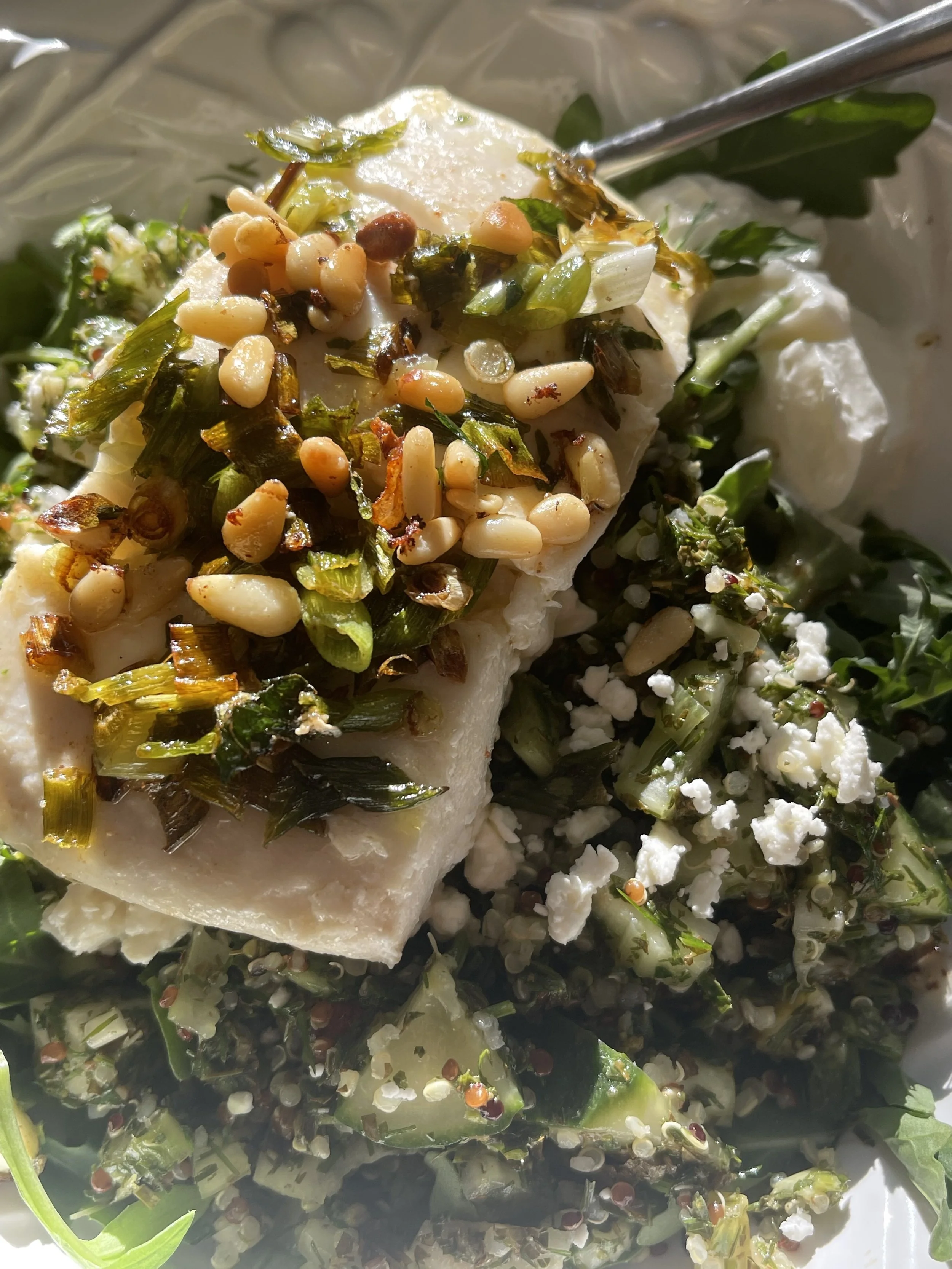
Grace’s Epic Tabouli
In sharing this recipe I have heard the tongues delight spill out into words like: “Oh, THIS is what tabouli can be?” “This is extreme tabouli.” “This is Epic!” “This is Epic to the tongue.” “What is tabouli, I’ve never had it? …. I have to make it at home I just want the recipe! What is it?” And then some friends named it for me: Grace’s Epic Tabouli. This Share is for Gratitude for My Health and Yours.
*Download or press play on the podcast above if you would like the whole of this article with a few tangents and my vocal personality where you can multitask and listen to the Tabouli Recipe Article in full, in about 1 hour and 8 minutes total.
We can also have fun turning the necessities into joyful noise when it comes to eating for beauty as much as nourishment. Flavor can become an art, a game, a sport, a generosity with the flavor of your hearts love in the moment infusing into the very fiber of the wild and natural food we can cultivate then into the better stronger fibers of our wild body waiting to grow towards the light of deeply wholesome foods so to express pure being in this moment!
I want your tastebuds dance to the fullest of their range of motion each! Your kidneys will dance soon after! Oh the parsley alone is so good for the thyroid, the kidneys, and what else!? Yes, the endless wonderful elses!
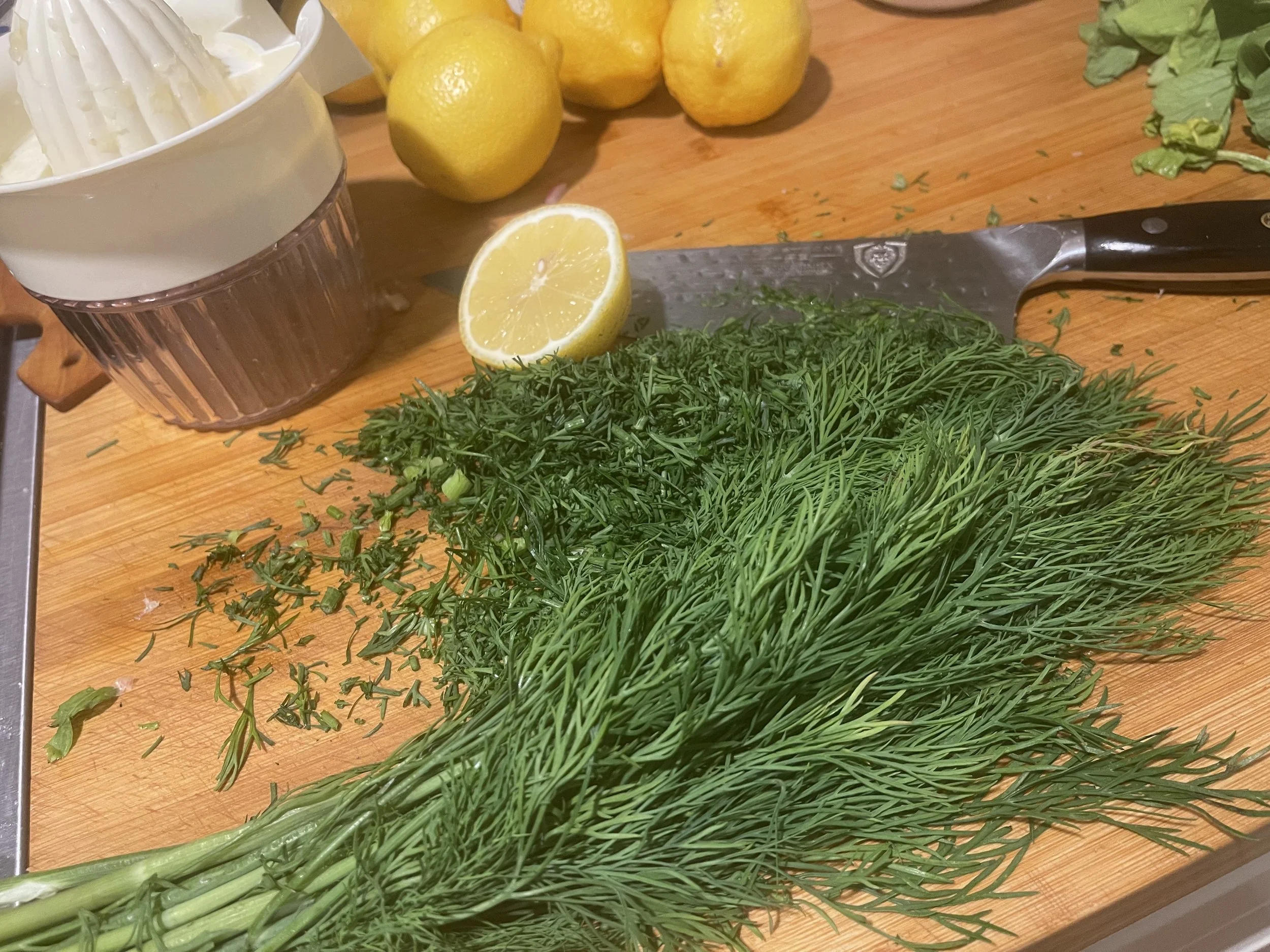
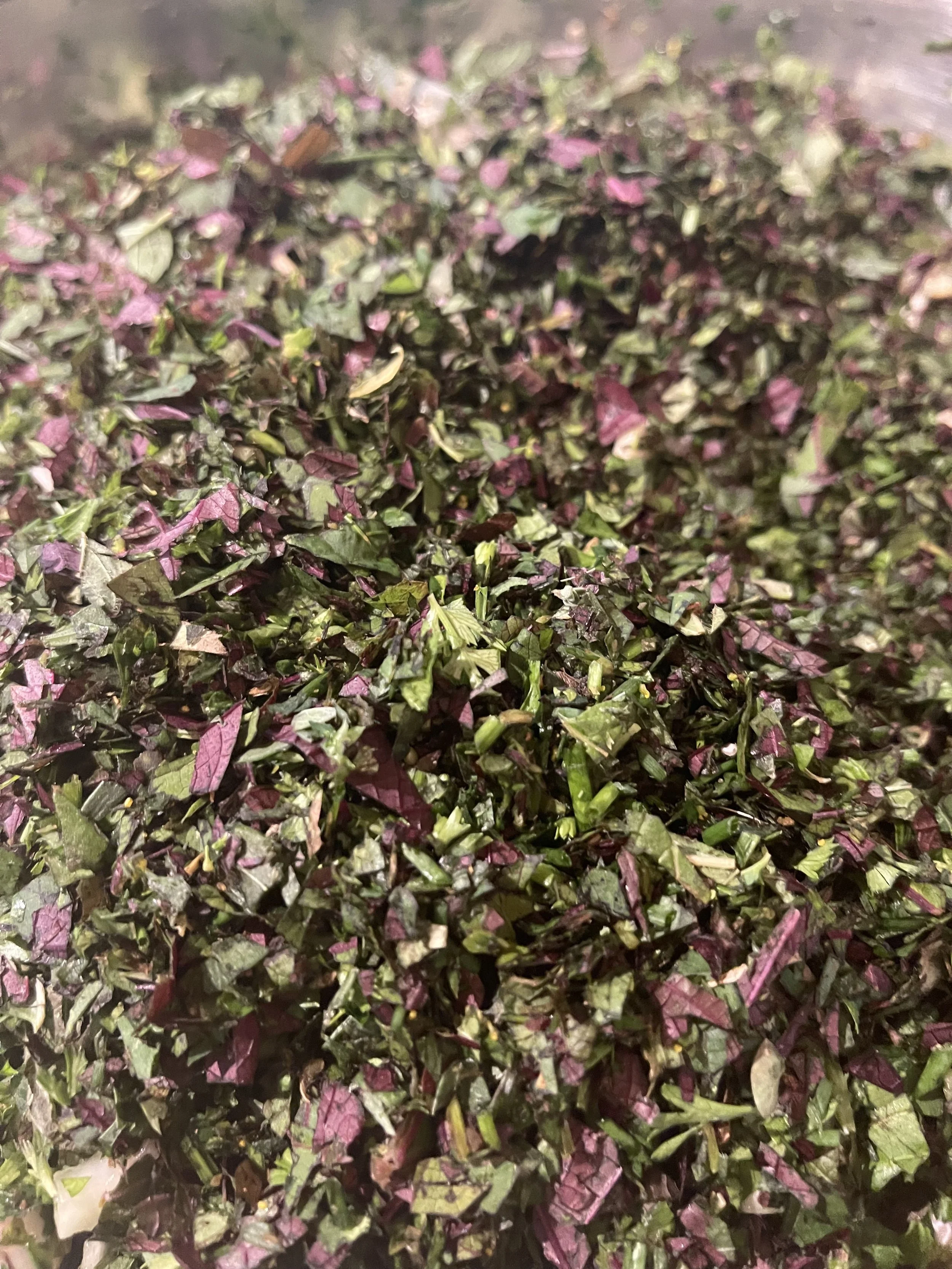
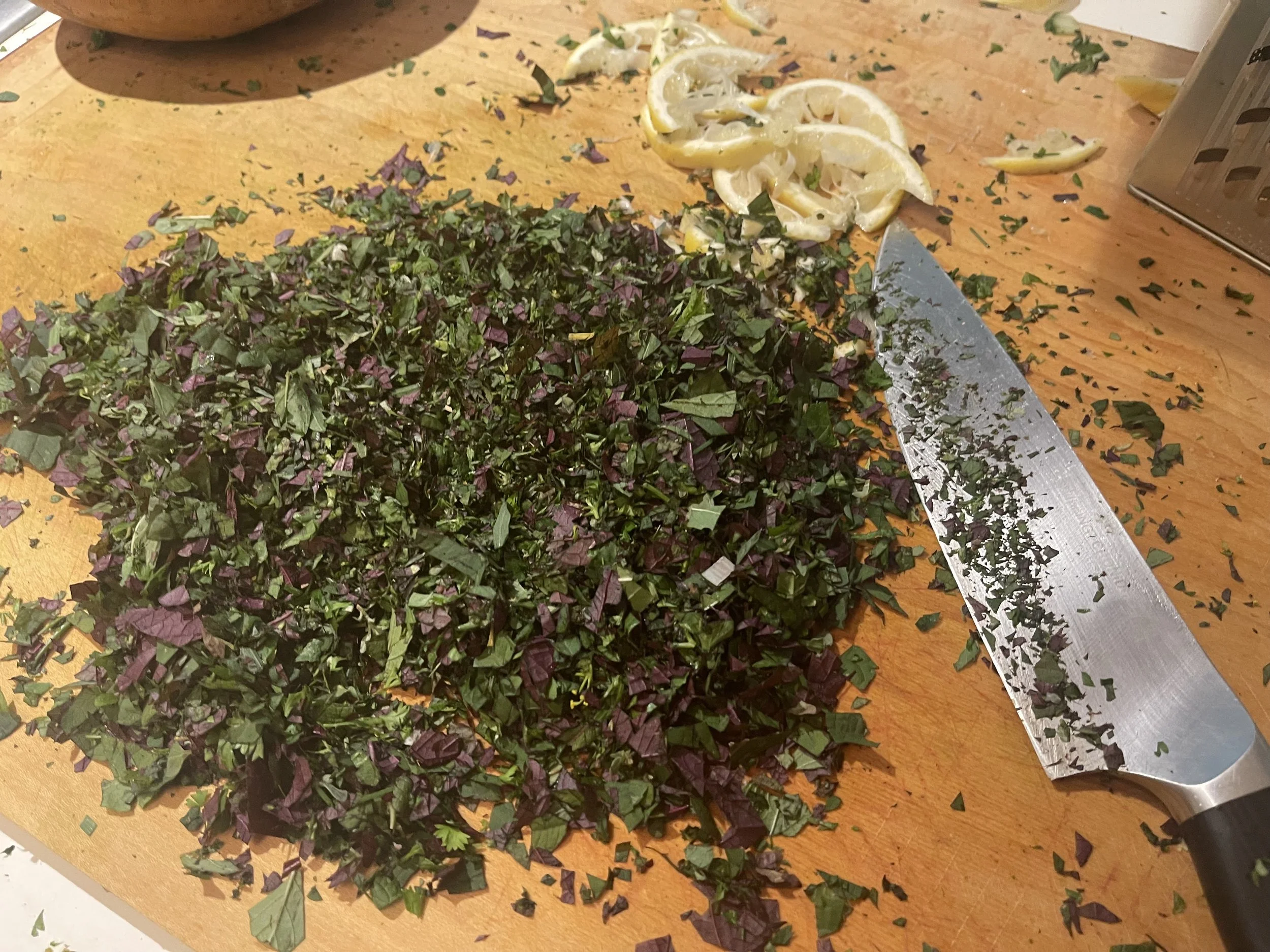
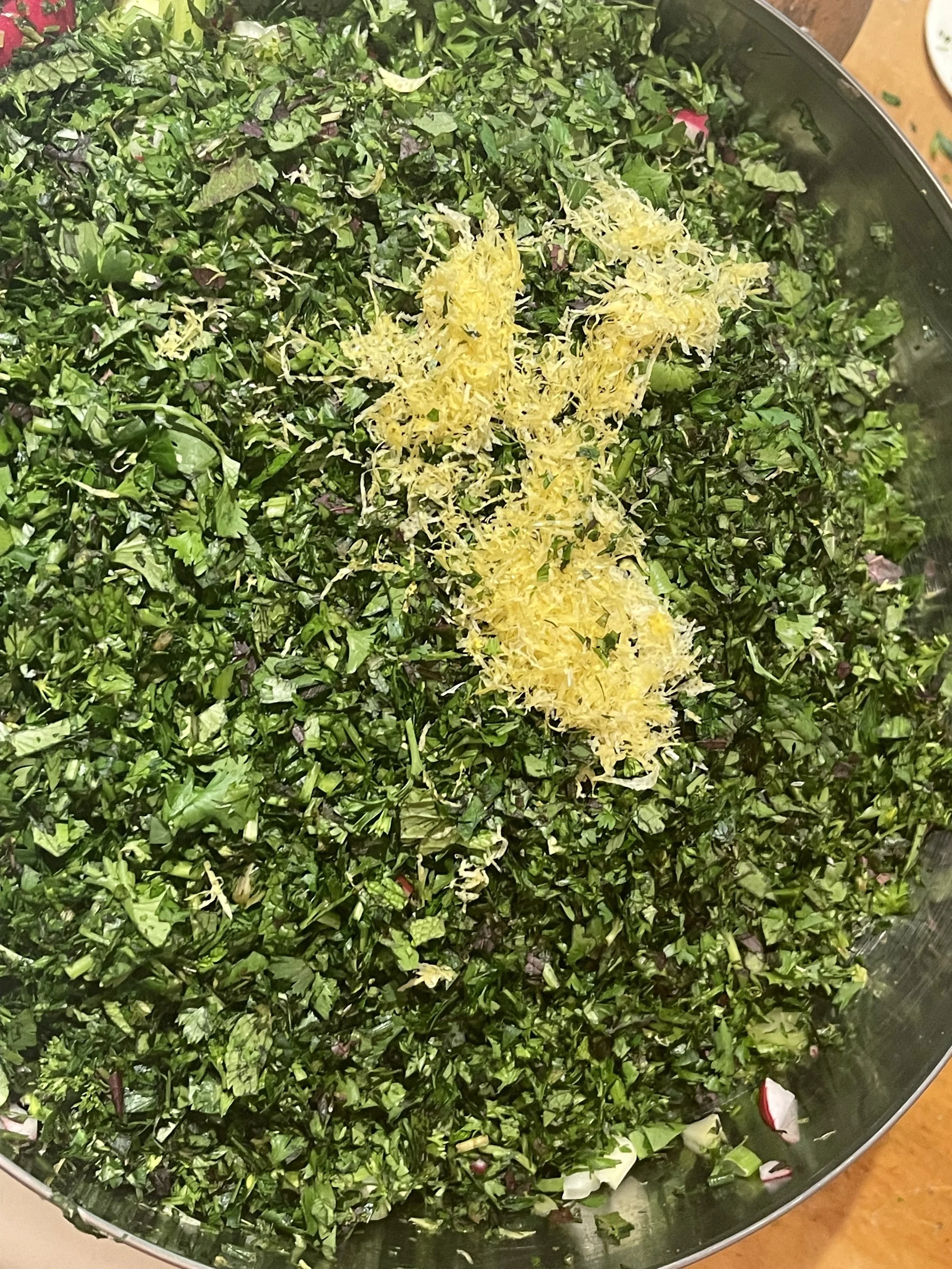
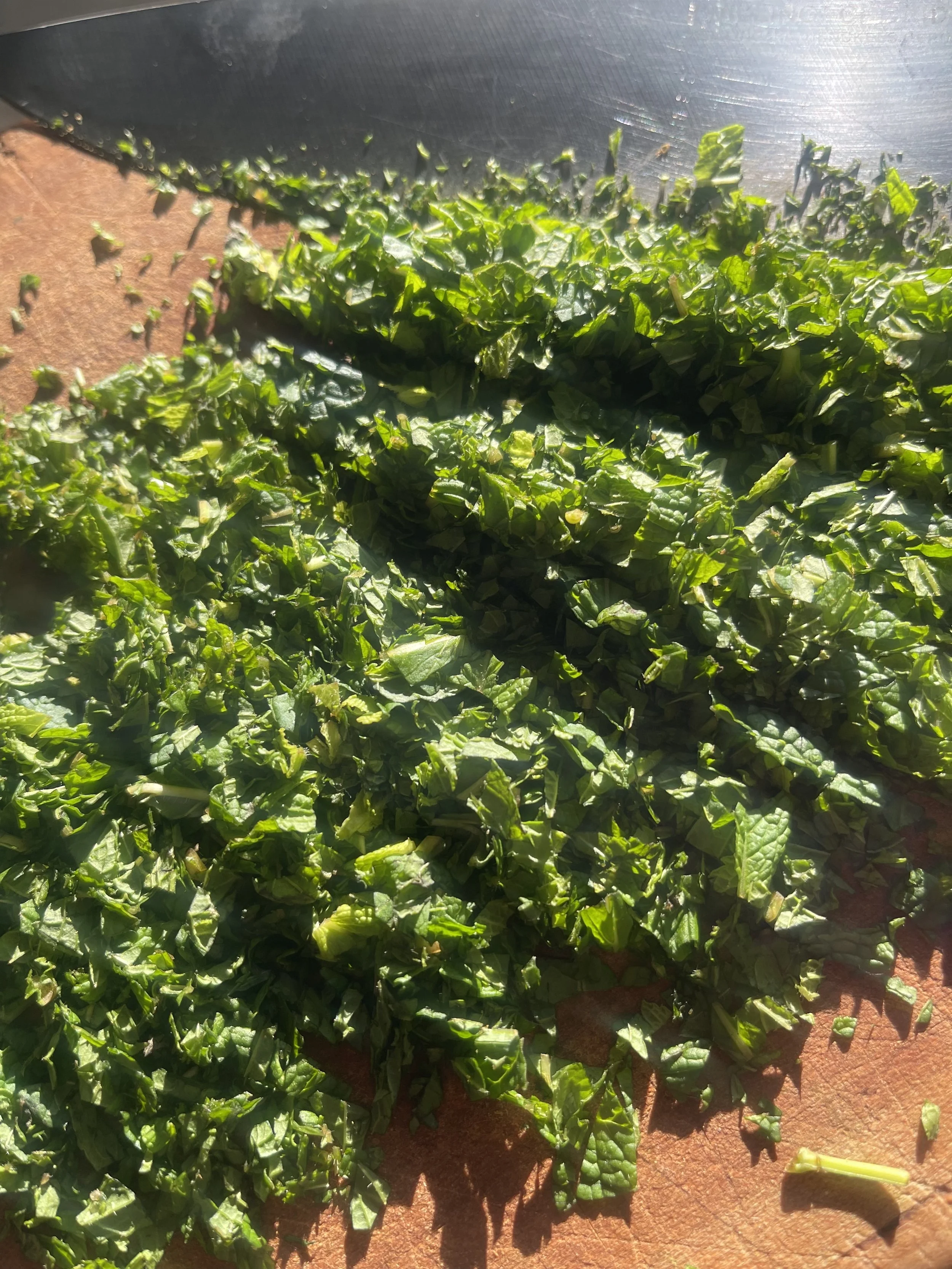


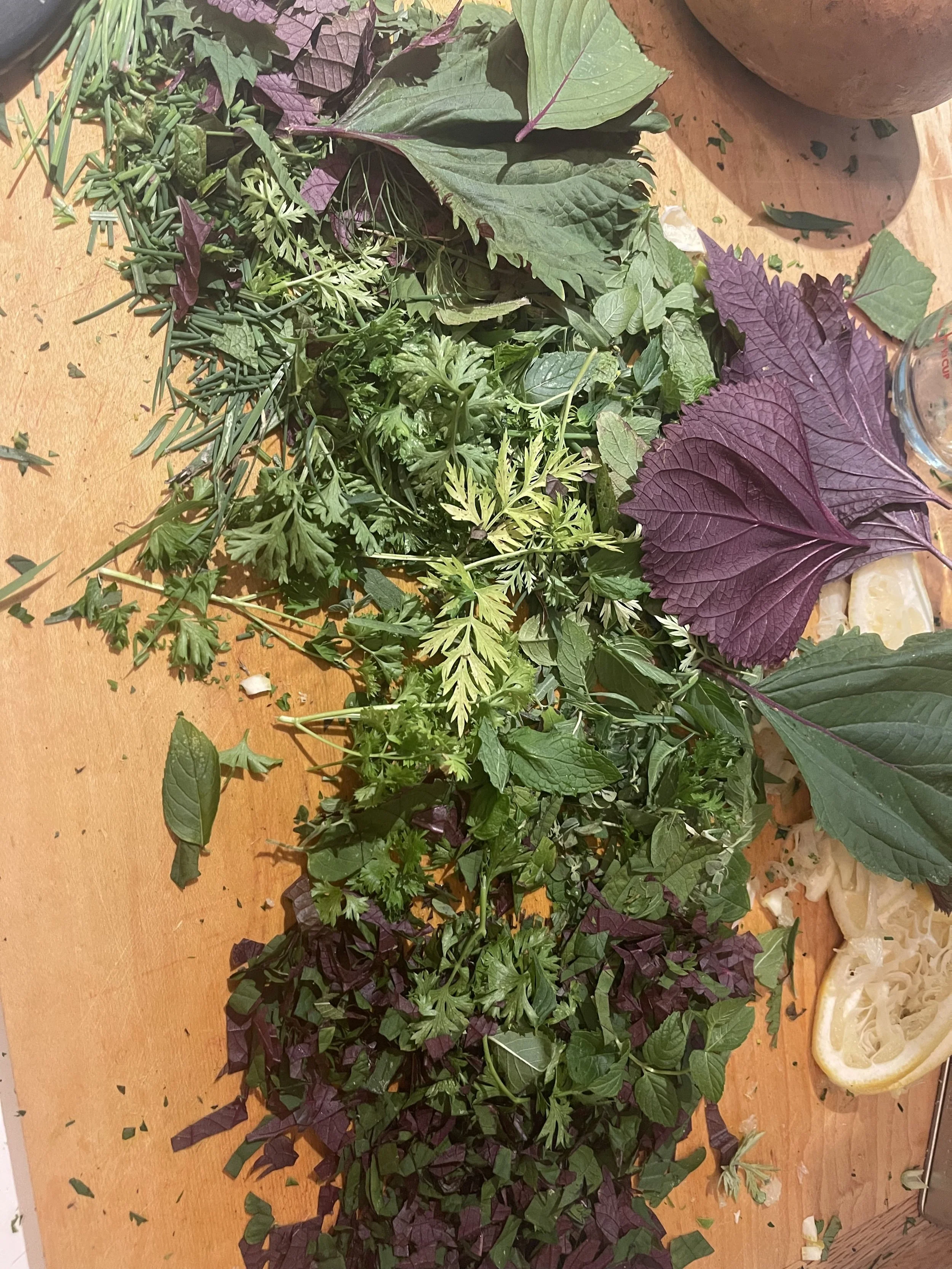


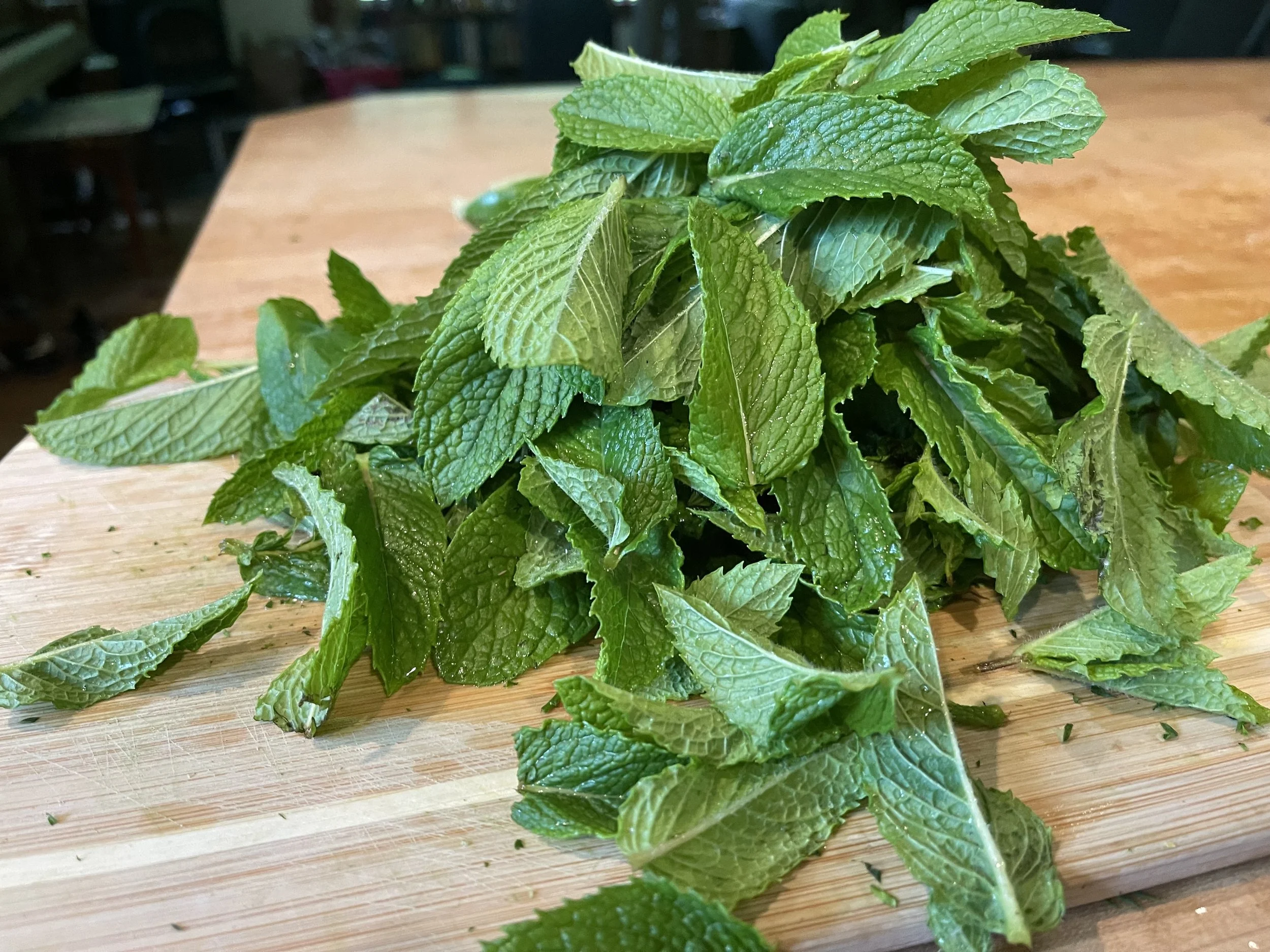
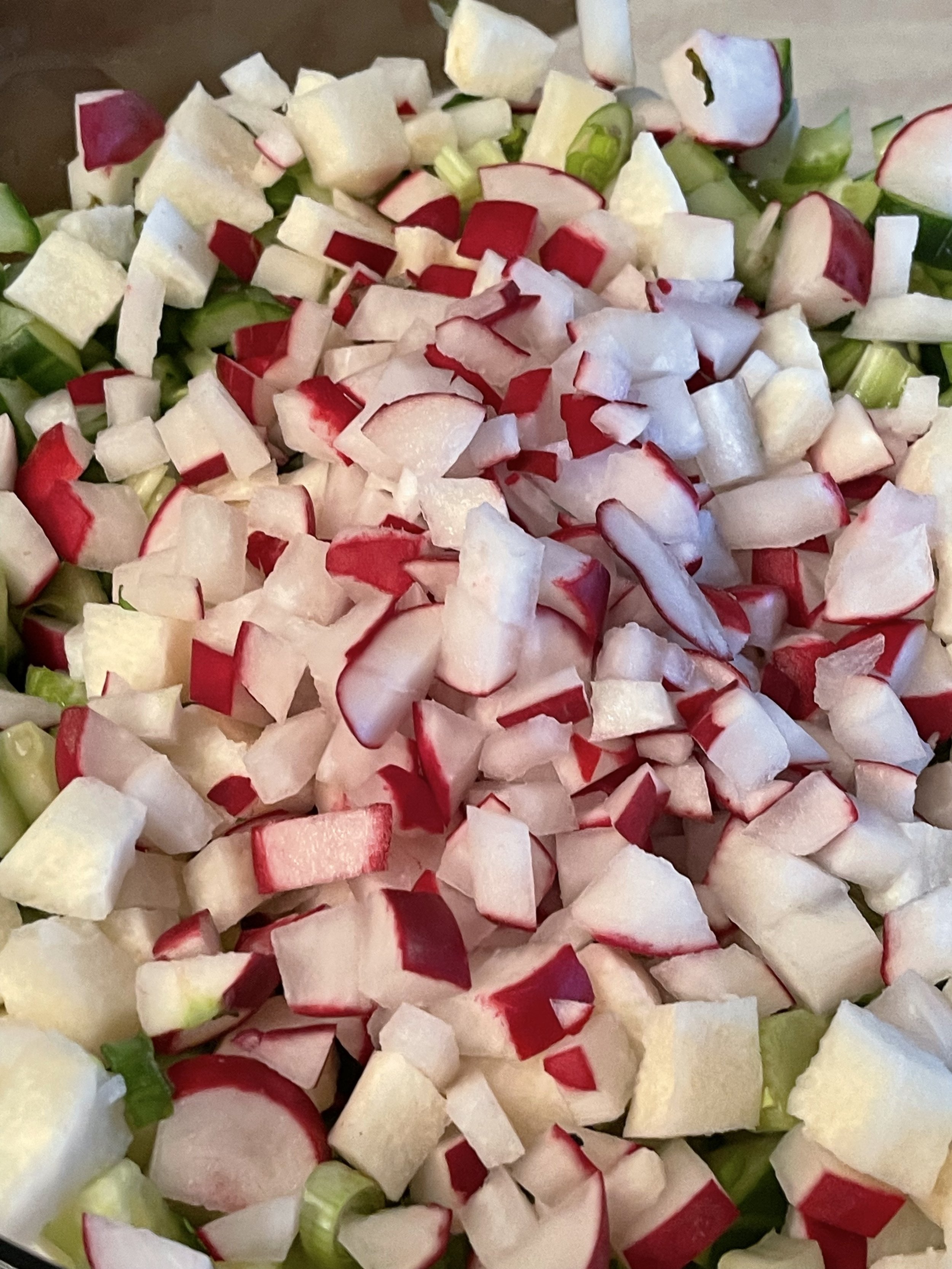

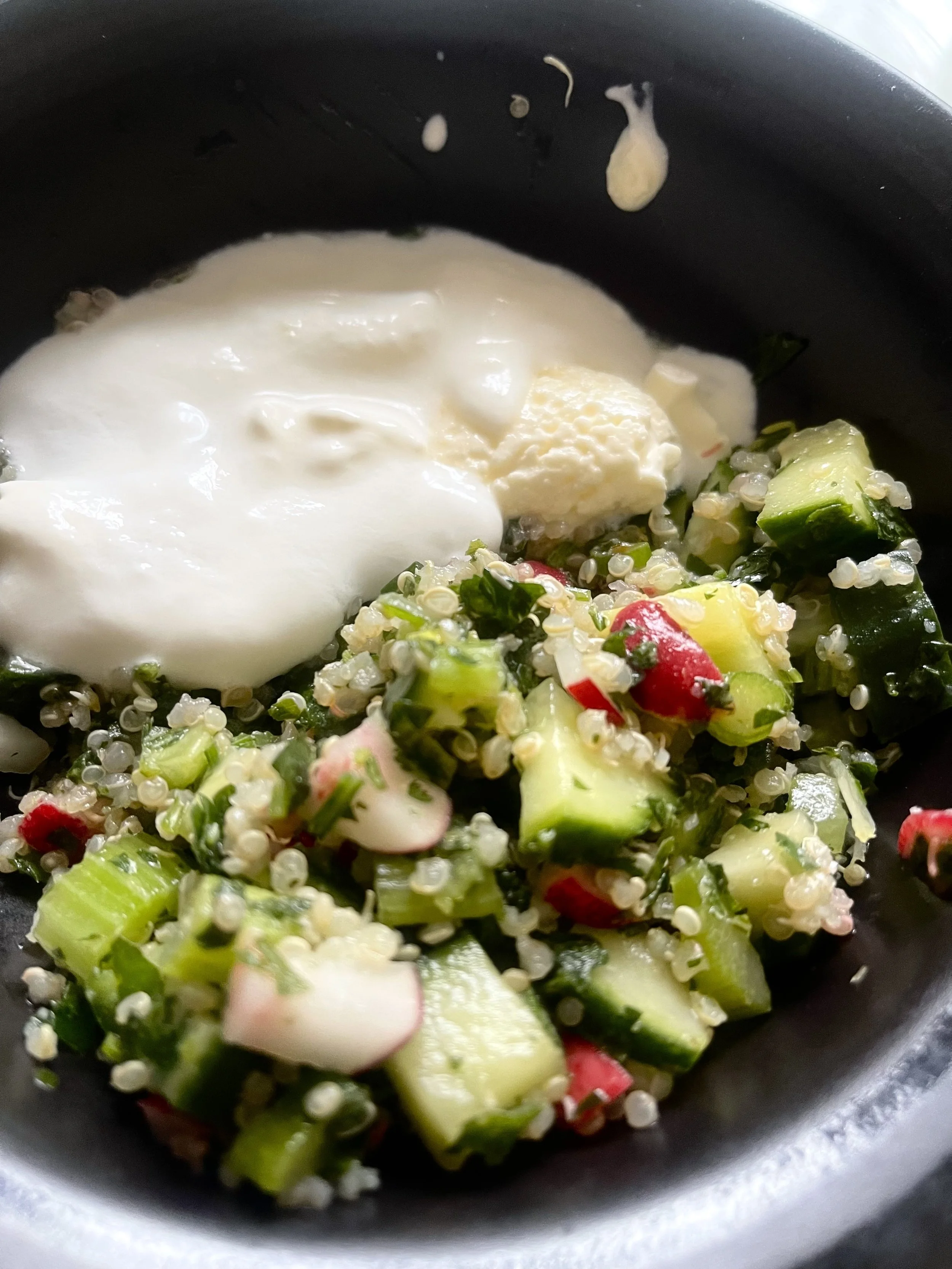


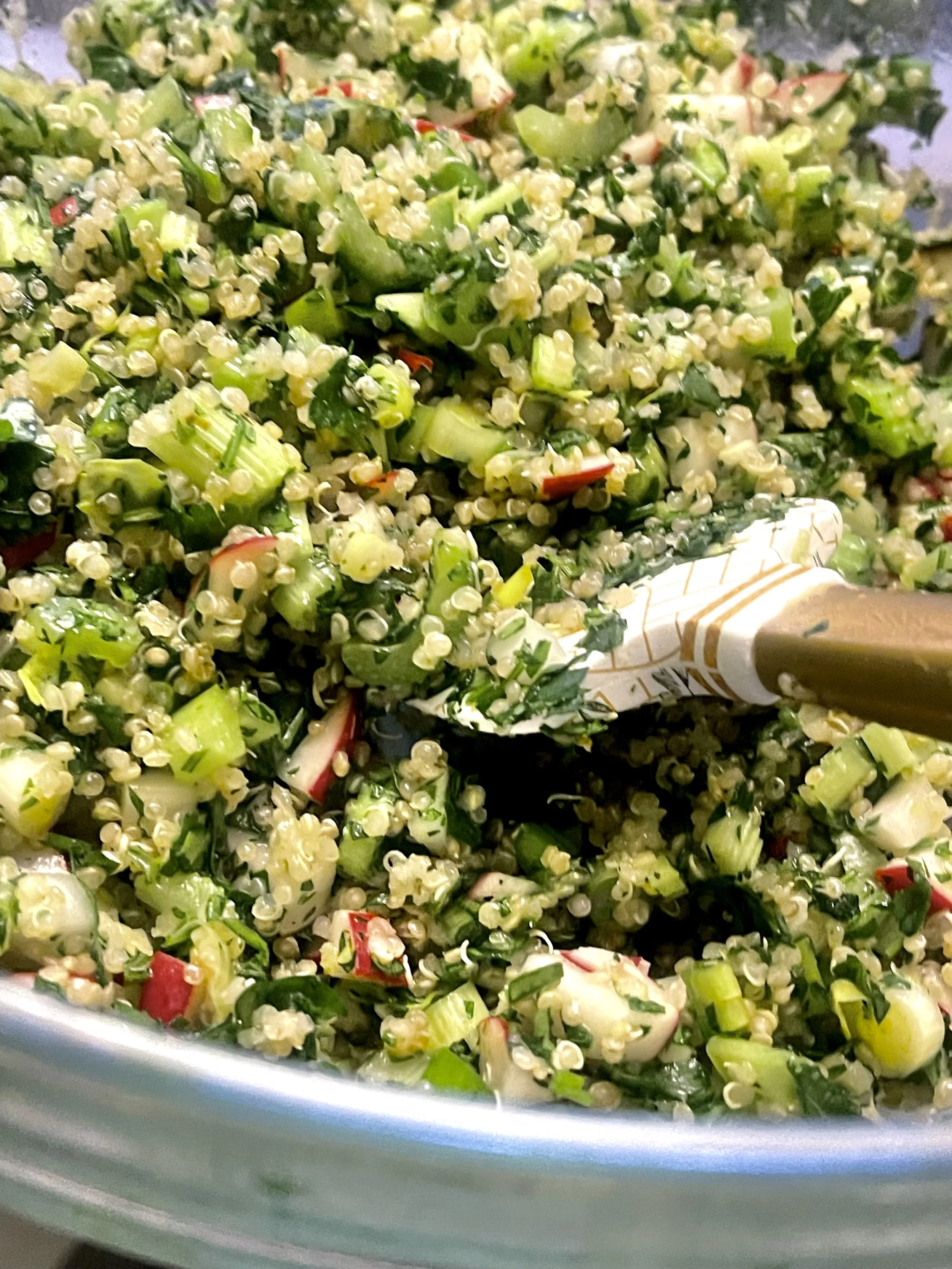
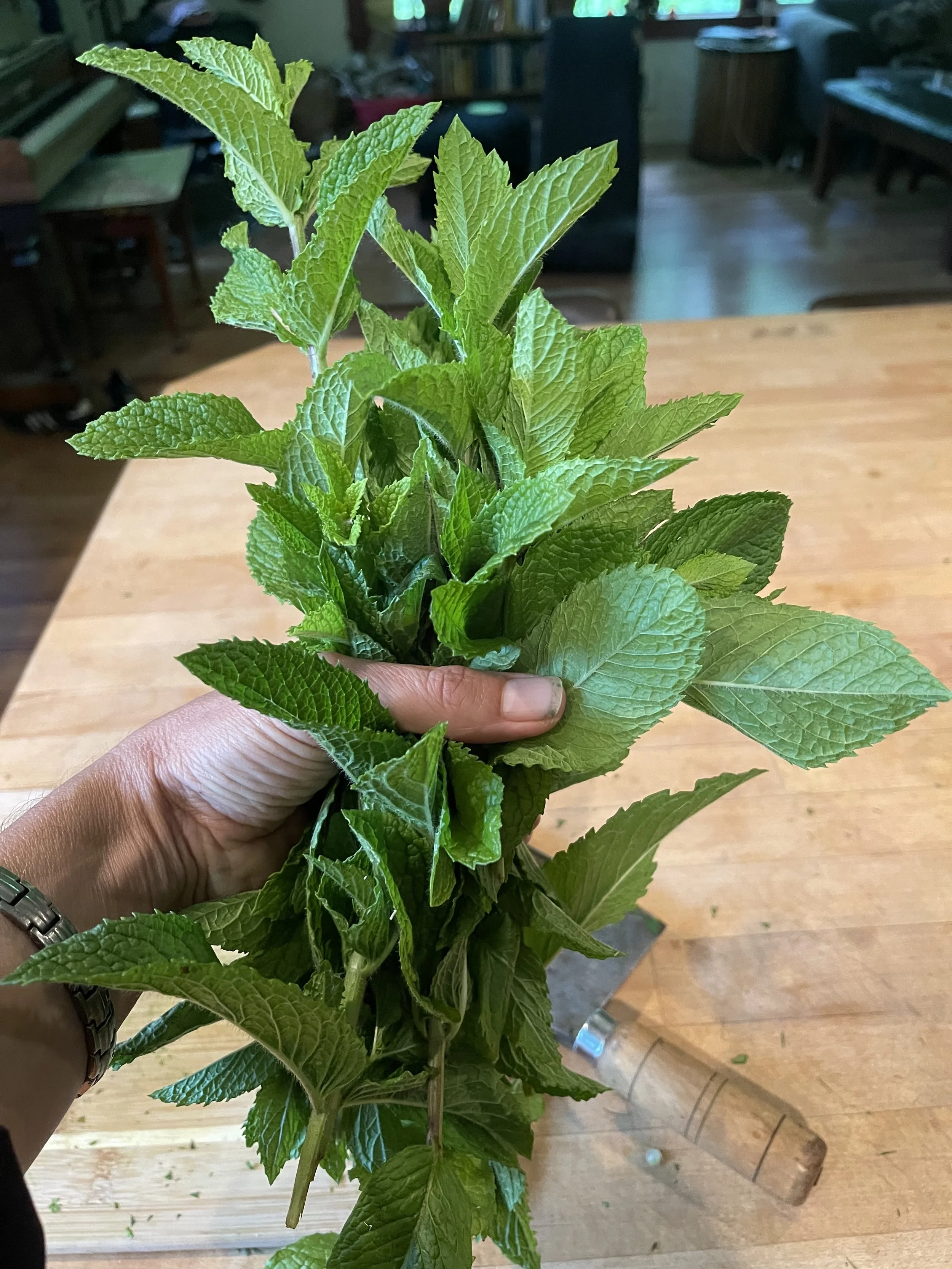

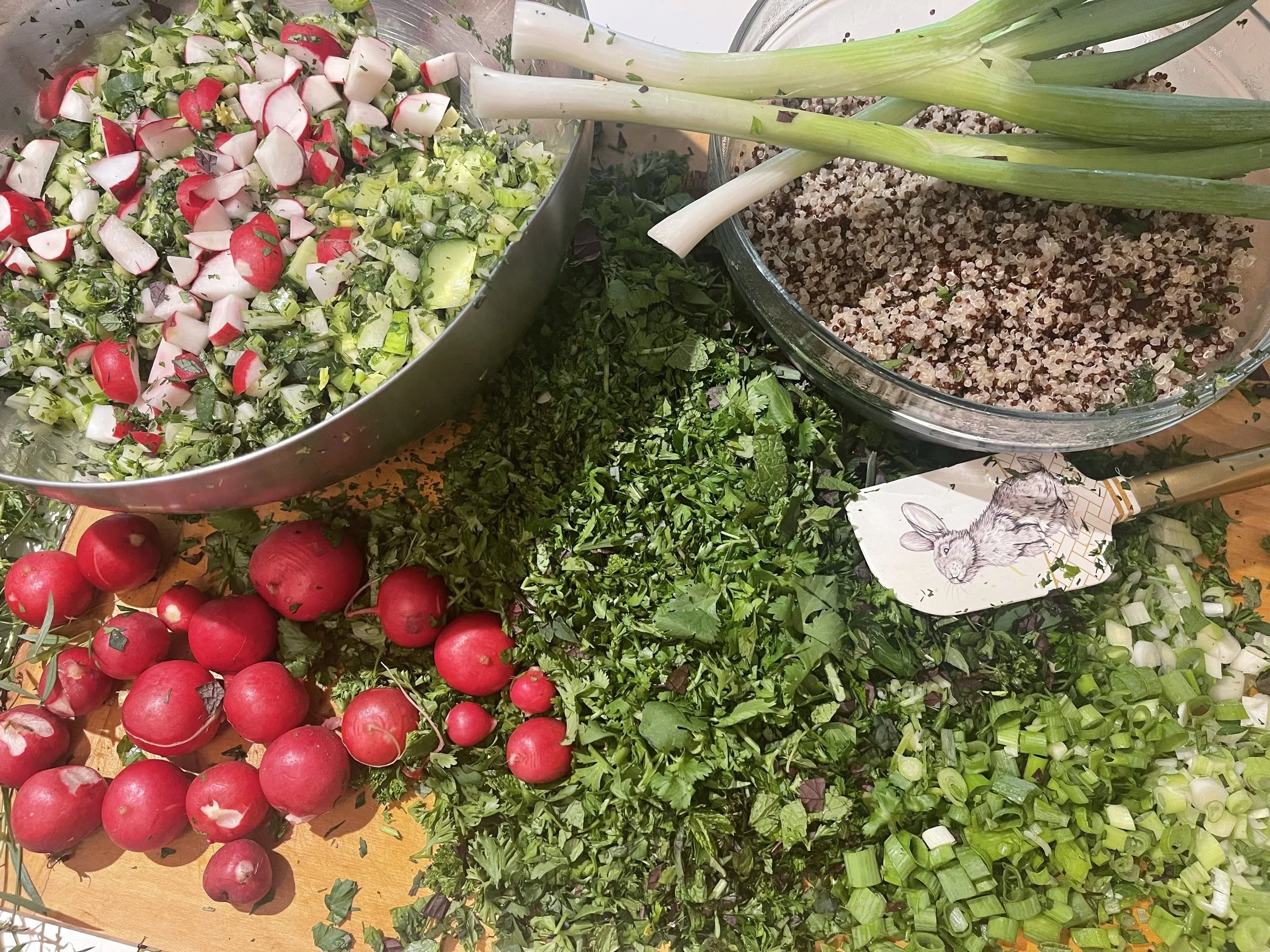
I didn’t initially set out to create a recipe that would take over my kitchen for half a day. I was simply looking for the most nutritionally dense, delicious food I could make—one that would truly energize me and make me feel good. What started as regular tabbouleh slowly evolved into what my friends now call ‘Grace’s Extreme Tabbouleh (or is it Tabouli).’ More herbs, more crunch, more love! The result is something that tastes incredible and actually makes you feel different when you eat it. This is that recipe.
The Soul of the Dressing: Mature Olive Oil
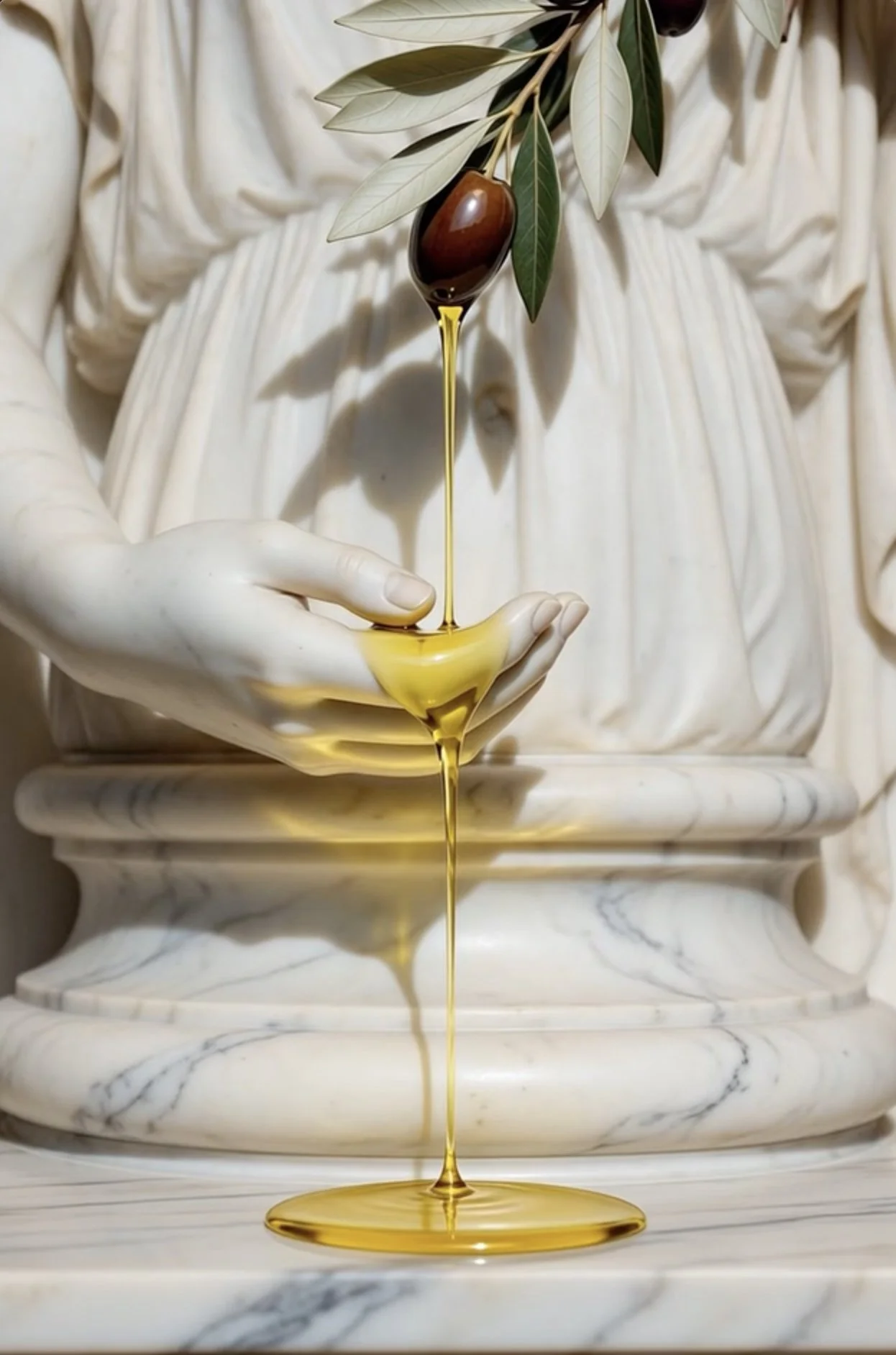
I only use mature olive oil, pressed from olives that have been allowed to fully ripen on the tree. There’s something deeply beautiful about that patience. Just as a fruit grows sweeter and more complex the longer it stays on the branch, ripe olives transform, as well.
While green olives produce a sharp, grassy oil high in certain polyphenols, the mature olive softens and deepens. As the olive ripens, the bitter compound oleuropein breaks down, giving way to higher levels of hydroxytyrosol and tyrosol. These powerful antioxidants are especially supportive for heart health. Hydroxytyrosol, in particular, helps protect LDL cholesterol from oxidation, reduces inflammation in blood vessels, and supports healthy endothelial function.
It also contains a small amount of omega-3 fatty acids in the form of ALA, which contributes to brain health.
For thousands of years, the olive has carried deep meaning. In ancient Greece, Athena, goddess of wisdom, gifted the olive tree to the people — a symbol of peace, prosperity, and wisdom. Offering an olive branch became a universal gesture of peace across Mediterranean cultures, since adopted by ours and many others. Positive energy contagions is where the recipe is multi-dimensional.
When I drizzle this golden oil into my tabbouleh, the scent of smoothness, less sharpness, less inflaming sting on the pallette, more elegance, depth, all perceivable by the subtle buds waiting for just such worthwhile multi-layered rewards of ancient and modern exercises of patience.
Sometimes when things are so good, this good, it cannot be kept to myself. This is a treasure to be shared that kisses every sense down to the tastebuds of each cell in the body saying yes, please, more of this! I’m not just passing along instructions — I’m sharing a piece of my knowing heart. Even here in this digital space, this is my way of breaking tabbouleh with you. Anyone reading this is already connected through curiosity and care. This is how I pass the torch of light, joy, and nourishment — so the ancient wisdom of the olive can come alive in your body, your mind, your taste buds, and your life too.
Why Soaking and Rinsing the Quinoa Matters
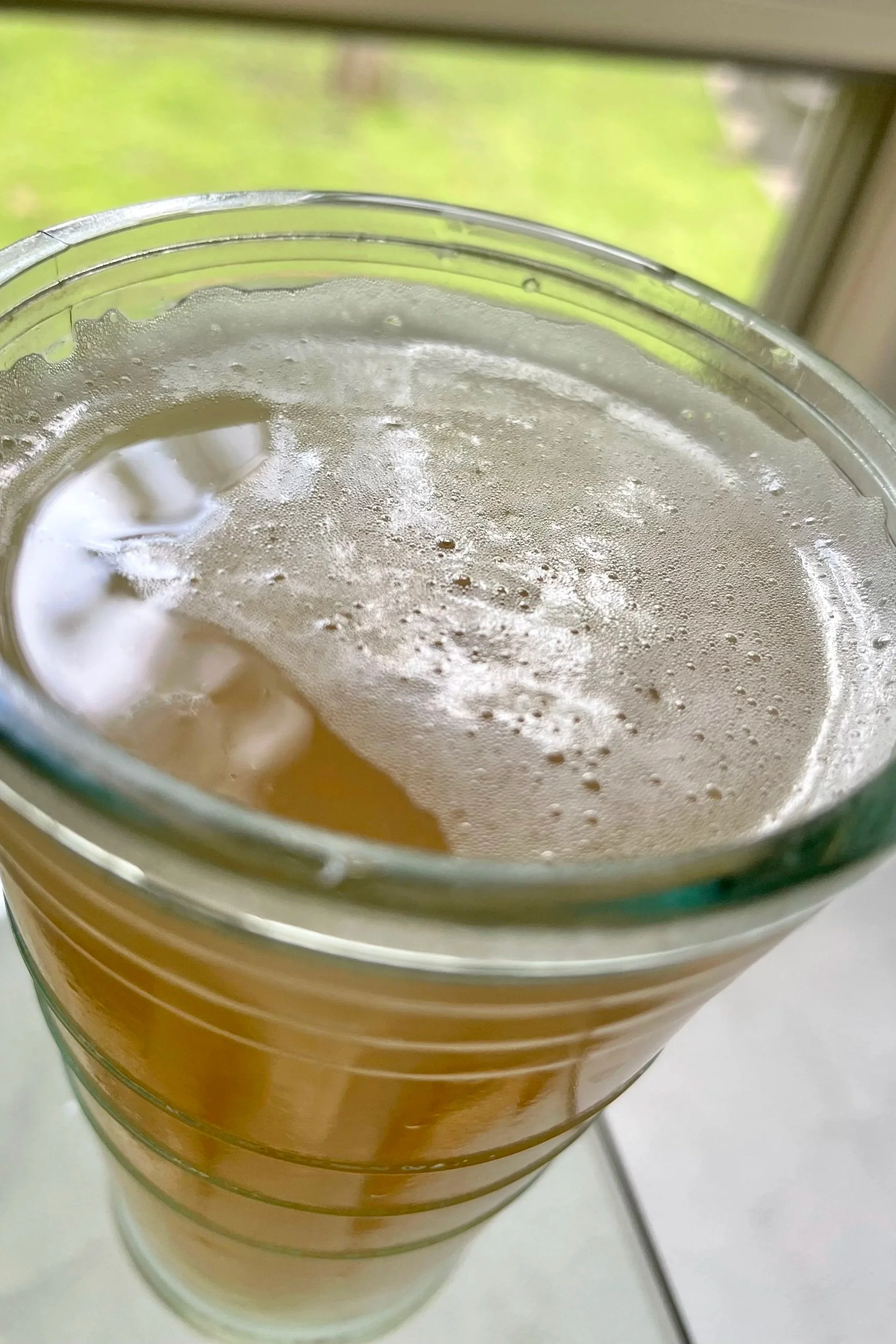
Lectins & Saponins Rinsed Out
The Saponins Make the Foam, and act as a defense of the Quinoa plant. Lectins, saponins and phytic acid all get pulled out in an overnight soak. No need to irritate and instead allow the body to focus on healing, rather than add new irritations to handle. The body feels great without unnecessary inflammatories and this Tabouli feels so clean and cleans us!
Before the herbs and vegetables even come into play, the foundation of this dish starts with how I treat the quinoa. I always soak it overnight and rinse it thoroughly until the water runs clear.
Quinoa naturally contains saponins — the bitter, soapy compounds that create that milky, yellowish water you see when you first rinse it — and smaller amounts of lectins. These are the plant’s natural defense mechanisms.
In sensitive people, saponins and lectins can irritate the lining of the digestive tract. They may increase intestinal permeability (often called “leaky gut”), which can trigger low-grade inflammation that starts in the gut and potentially affects the whole body — including joints, mood, and energy levels. That’s exactly why I take the time to soak and rinse: to remove as much of those compounds as possible so the quinoa becomes gentler on the system and more nourishing than irritating. Everyone benefits, anyhow, in this practice of detail, and more patience, care, love, nuance.
The difference is noticeable — calmer digestion, less bloating, and a cleaner, brighter flavor in the finished dish.
More to the Dressing: *Lemon Juice and Peel, Grey Salt
The rest of the dressing comes together with the bright juice of six or seven fresh *organic (organic when possible) lemons, the finely diced peel of one of them, or more, and Celtic grey sea salt. That fresh lemon juice delivers a big boost of vitamin C for immune support and antioxidant protection, while the peel brings extra flavonoids that support the liver and help fight inflammation. The Celtic gray salt adds a natural spectrum of trace minerals like magnesium, potassium, and calcium that help with electrolyte balance.
This dressing doesn’t just flavor the tabbouleh — it also preserves it. If you want it to last for the week, simply refresh it every few days with a little more lemon juice and grey salt. It easily stays fresh and vibrant in the refrigerator for seven to ten days, giving you nourishing servings all week long, with maybe even a few to share.
The Power Players
Once the quinoa is perfectly cooked and the dressing is made, these five ingredients are what truly make this tabbouleh “extreme.”
2. Cilantro
This herb actually delivers the highest amount of folate in the entire dish. Folate is a true brain nutrient. It helps lower homocysteine, an amino acid that, when elevated, can damage blood vessels, promote inflammation in the brain, and is linked to a higher risk of cognitive decline and Alzheimer’s. By helping convert homocysteine into safer compounds, folate protects neurons, supports healthy synapses, and promotes better mental clarity, focus, and mood. Cilantro is also rich in vitamin A — a powerhouse vitamin that protects your vision (especially night vision), maintains healthy mucous membranes, strengthens your immune system, supports skin health, aids cell growth, and may help lower the risk of certain cancers. It’s also packed with vitamin C and unique antioxidants that help the body bind to heavy metals and support their natural elimination.
3. Spearmint/ and/or Peppermint
This herb gives the dish its deeply calming, soothing quality. It’s a good source of vitamin C, iron, and folate. The menthol in spearmint relaxes the digestive tract, reduces bloating and nausea, and brings that bright, refreshing lift that makes every bite feel light and alive.
4. Dill
One of the most nutrient-dense herbs here. It’s high in vitamin C for powerful immune support and antioxidant protection, vitamin A for vision, skin health, and immune function, and folate for brain and nervous system support. The manganese in dill plays a key role in bone formation, metabolism, and the body’s antioxidant defense system. Dill also contains meaningful amounts of calcium, which supports strong bones and proper nerve signaling. All of these, along with its flavonoids, give dill strong anti-inflammatory properties while giving the tabbouleh its unique, signature flavor that people can’t stop eating.
5. Celery
I use at least one full bunch, sometimes even two. Celery is rich in vitamin K, potassium, and natural sodium, creating a beautiful electrolyte balance that supports proper hydration at the cellular level, healthy blood pressure, and optimal nerve and muscle function. This natural sodium-potassium balance is especially valuable because most people get too much sodium from processed foods and not enough potassium. Celery also contains apigenin, a flavonoid with strong anti-inflammatory and calming effects on the cellular level of the body.
This is just one of the quiet heroes running through several of these ingredients — especially the parsley and celery — is this flavonoid called apigenin. This powerful compound has been studied for its remarkable anti-inflammatory effects. It works by calming overactive inflammatory pathways in the body, particularly by inhibiting NF-κB, a key switch that turns on many inflammatory signals. Apigenin also gently interacts with GABA receptors in the brain, which gives it a natural calming effect that can ease anxiety and support better rest. Beyond that, it acts as a potent antioxidant, helping protect cells from oxidative stress. The combination of reducing inflammation while promoting calm makes apigenin one of the special gifts hidden inside this dish.
No wonder I sleep & dream especially well when this is in my weekly routine!
There’s something almost magical about this dish when it all comes together. The vibrant greens, the bright pops of red from the radish, the deep orange / red of the bell pepper — it really does look like the most joyful, living confetti straight from the earth. Every single ingredient is packed with color, life, and purpose. It feels like the earth itself is inviting us to be happy and healthy. When I look at this tabbouleh, I’m reminded that we really are what we eat — and sometimes, the food we eat is evidence that nature wants us to thrive.
It travels from our garden, from the farm, or from the wild places where we can forage what’s growing freely. From the earth to our table, to our cutting board and sharp kitchen knife, loving intentions and spontaneous appreciation burgeoning from yet another wild place, the final dish into our bodies, and then into everything we are. It becomes part of our fibrous rich thoughts, creativity, conversations, dancing, music, and our joy. This food literally weaves us into new fiber of our being.
When I eat this way, I feel a deeper appreciation for the living soil beneath my feet and feel the wild intelligence of nature. The more we eat from the earth in its purest form, the more alive and coherent we become. Will I become so sensitive to hear the drumbeat of the earth herself or better understand the message on the breeze? Life gets more magical. Our connections with each other become richer — not just breaking bread together, but breaking into dance, sharing ideas, and letting our hearts bloom as brightly as the colors in this bowl.
We are what we eat. We can eat a confetti of endless benefit and be that!
Now here we go with the rest of the ingredients and the top three greatest benefits of each are spelled out, why not?
Click the tab below and see some compelling granular details of ingredients in this recipe.
There’s something deeply satisfying about eating this tabbouleh — knowing it came straight from the earth and is now becoming part of you. But what brings me even more joy is sharing it. Watching friends and family light up when they taste it, seeing them go back for seconds, and then hearing later that they’ve started making their own batch… that’s the best part. It’s like a positive, healthy contagion — one beautiful bowl at a time.
What I love most about this Extreme Tabbouleh is that every single ingredient has passed the test. There is not one inflammatory seed oil or processed component in the entire recipe. Every herb, vegetable, and element was chosen with care to be genuinely healing and supportive. When we consistently nourish ourselves with food this clean and alive, something profound happens — our body begins to lose its taste for the processed, inflammatory foods that once tempted us. The craving naturally fades as our cells learn what real nourishment feels like.

Click the image to download a video of the olive coming alive and pouring ripe olive oil
As I sit with a bowl of this vibrant tabbouleh, I often think of Athena, goddess of wisdom, with her owl perched upon her shoulder. In her other hand she offers not just an olive branch — a symbol of peace that has traveled far beyond ancient Greece and Rome to become a universal gesture of goodwill — but a bowl of this very food.
The generous amounts of parsley, cilantro, dill, mint, and chives in this dish are rich in vitamin A, along with the powerful carotenoids lutein and zeaxanthin. These compounds concentrate in the macula of the eye, where they act as internal sunglasses — filtering harmful blue light from computer screens and phones, protecting the delicate tissues of the retina, supporting sharper night vision, and helping reduce eye strain and fatigue. They nourish our ability to see clearly, both in darkness and in overwhelming light
The mature olive oil, pressed from fully ripened olives, completes this offering of peace and nourishment.
And just as a parliament of owls gathers — three or more together — their calls turn into something magical, full of laughter-like sounds and lively conversation. May we do the same. May we gather in our own parliaments of connection, sharing this dish, breaking tabbouleh together, seeing one another more clearly, and laughing with wisdom and joy.
May this food make our eyes stronger, our vision clearer, our hearts as light as the silent feathers of the owl. May we move through the world with the same lightness, curiosity, and good humor — dancing, laughing, and seeing the truth of what is before us.
Because in the end, we don’t just eat this food. —
We become it.
Thank you for all of you who have fully endorsed wishing me to write this recipe. From Young Children, Young Adults, Adults, Elders, … your surprised brightening of facial expressions tells me you are genuinely delighted. I dedicate this recipe to all of you and especially my own dear child, Storm Stewart at www.wildingeducation.org , whom I wish upon many iterations in a dense fashion for most of your lifetime! Happy Birthday on this day I nearly finish this detailed recipe. Our friends and communities grow in deep health of the wild within resonating and singing with all the wild grounds, stones, insects, flora, fauna, pulsing biology humming all around.